Xanax Addiction Treatment
Xanax addiction treatment can change the course of someone’s life and get them on the right track towards recovery. Everyone is not the same, and treatment should be tailored to fit an individual’s specific needs. Addressing the physical and mental needs of an individual is key to recovery, as well as developing new ways to cope with everyday life and problems that may arise.
Our xanax addiction treatment considers the whole person, addressing what challenges they have been struggling with in body, mind, and spirit that caused them to begin using xanax to deal with these issues. DreamLife Recovery personalizes each individual’s treatment experience during their stay at our residential addiction treatment facility.
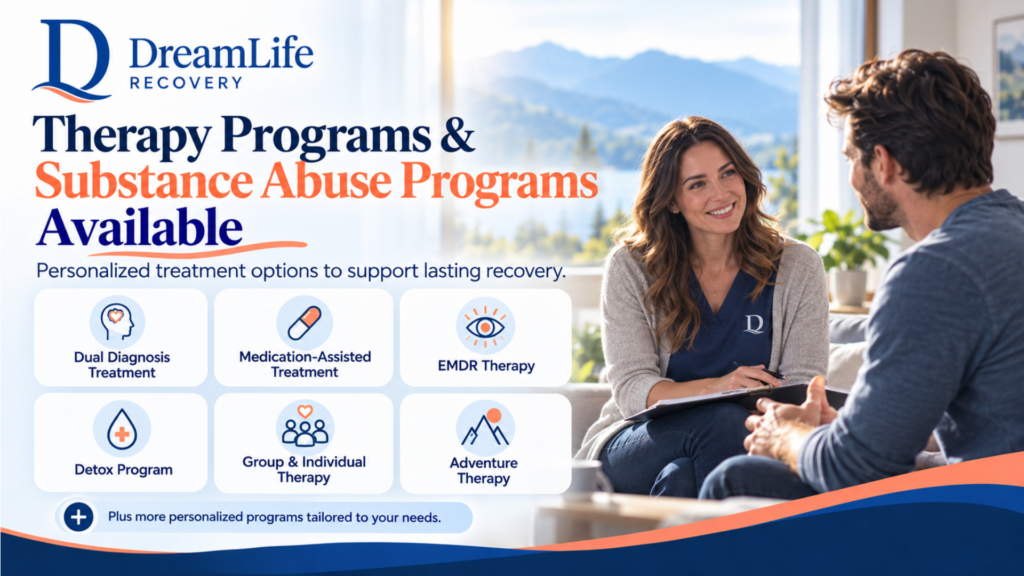
Therapy Programs & Substance Abuse Programs Available:
- Dual Diagnosis Treatment
- Medication-Assisted Treatment
- EMDR Therapy
- Detox Program
- Dual Substance Abuse Programs
- Psychotherapy
- Group Therapy
- Individual Therapy
- Adventure Therapy
- And Many More Programs Crafted To Your Individual Situation
If you are interested in our xanax addiction treatment program, give us a call or fill out our form. Our admission process starts with a verification of benefits to provide the most accurate cost estimate for your stay. We’ll then follow up with a medical screening over the phone before preparing your travel arrangements to our recovery center in Donegal, PA.
Get Your DreamLife
Recovery from alcohol and drug addiction is possible, for you or a loved one. We’re here to help.
Get to Know DreamLife Recovery
Our rehab facility in western Pennsylvania allows you to enjoy the peaceful, natural setting while receiving treatment. We provide a safe, comfortable, and caring environment for your recovery. DreamLife Recovery offers a variety of options, which allows us to find a method of therapy that works best for you. We know every person is different, so we individualize each program to find the right fit for you to find success in recovery.
Frequently Asked Questions
1. Do people go to rehab for Xanax?
Yes. Xanax, the brand name for alprazolam, is a benzodiazepine that produces physical dependence quickly, and many people enter treatment for it, including those who began with a legitimate prescription. Rehab matters particularly here because benzodiazepine withdrawal can be medically dangerous and requires a supervised taper rather than abrupt cessation. DreamLife Recovery treats Xanax addiction at its Donegal, PA facility with medical detox followed by residential, partial hospitalization and intensive outpatient care.
2. What is the timeline for Xanax withdrawal?
Because Xanax is short-acting, withdrawal typically begins within 6 to 24 hours of the last dose, earlier than with longer-acting benzodiazepines. Symptoms usually peak between the first few days and two weeks, and include anxiety, insomnia, tremors, sweating, nausea, panic and rebound symptoms. Some people experience protracted symptoms such as anxiety, insomnia and heightened sensory sensitivity for weeks or months. A medically supervised taper changes this timeline considerably and is the safest approach.
3. Can you seizure from benzo withdrawal?
Yes. Seizures are a recognized risk of benzodiazepine withdrawal, which makes it, along with alcohol, one of the few withdrawals that can be life-threatening. The risk is highest when someone stops abruptly after prolonged use or at a high dose. This is why Xanax should never be stopped cold turkey and why detox should take place under medical supervision with a gradual taper and monitoring rather than at home.
4. How hard is it to taper off Xanax?
Tapering off Xanax is often difficult because the drug is short-acting, so blood levels drop quickly between doses and symptoms return sharply. Physicians frequently switch a person to a longer-acting benzodiazepine first to create a smoother, more stable reduction, then decrease the dose gradually over weeks or months depending on the original dose and how long it was taken. The schedule has to be set and adjusted by a doctor for the individual, which is why this is done in a medically supervised detox rather than alone.
5. What medication is used for Xanax withdrawal?
The main approach is a gradual taper, often substituting a longer-acting benzodiazepine such as diazepam or clonazepam for Xanax so the dose can be reduced steadily and safely. Supporting medications may be prescribed for specific symptoms, including anticonvulsants, blood pressure medication for physical symptoms, and non-addictive options for sleep and anxiety. All of these require a physician’s assessment and ongoing monitoring, which DreamLife Recovery’s medical staff provide during detox.