Wondering what happens during detox? The medical detox process is designed to safely clear drugs or alcohol from your body while a 24/7 clinical team supports your health, safety, and comfort every step of the way. It is often the first stage of treatment and is focused on managing withdrawal symptoms in a safe, caring environment.
What Is the Medical Detox Process?
Medical detoxification means you stop using drugs or alcohol in a setting where doctors, nurses, and other professionals can watch over your health and comfort 24/7. At DreamLife Recovery, the medical detox process is structured, but the approach is still very personal and centered on what you need to feel safe.
The goal is to stabilize your body, reduce withdrawal symptoms, and prepare you to move into ongoing treatment once you are medically stable.
Detoxing isn’t just about clearing substances from your system—it’s about staying safe and comfortable under 24/7 medical supervision. Learn more about our medically supervised detoxification services or explore how our inpatient detox program prepares you for lasting recovery.
Step 1: Assessment & Evaluation in Medical Detox
When you arrive, no one expects you to have all the answers or a perfect plan. It is enough that you showed up and are willing to let someone help you.
Our medical team walks you through a thorough intake and will ask about:
- What substances you have been using and for how long
- Any medical conditions, medications, or past surgeries
- Your mental health history, including anxiety, depression, or trauma
This is a judgment-free space. Honest answers help us create a plan for a medical detox process that fits your body, your symptoms, and your story. If you are dealing with both substance use and mental health issues, we take that into account from the very beginning so you can be treated as a whole person.
Step 2: Stabilization and Withdrawal Management
As your body starts to clear substances, withdrawal symptoms can begin. That can feel overwhelming, especially if you have tried to quit on your own before. During the medical detox process, you are not alone. Nursing and medical staff check on you regularly and are available around the clock.
During stabilization, you can expect:
- Close monitoring of vital signs like heart rate, blood pressure, and temperature
- Medications when appropriate to ease symptoms such as anxiety, nausea, trouble sleeping, or cravings
- Ongoing adjustments to your care based on how you are feeling and how your body is responding
For certain substances, such as alcohol and benzodiazepines, withdrawal can be dangerous if you try to go through it without medical help. Having a trained team with you reduces those risks and gives you support while your body begins to heal.
Step 3: Transitioning From Detox to Rehabilitation
The medical detox process clears substances from your system, but it does not address the deeper reasons behind your use or the changes you want to make in your life. Once you are medically stable and feeling stronger, the focus turns to what comes next.
Most people move directly from detox into a structured treatment setting such as residential or inpatient care. There, you begin:
- Individual and group therapy
- Work on coping skills and relapse prevention
- Treatment for any cooccurring mental health conditions
This transition is planned with you, not for you. The idea is that you have a clear next step instead of finishing detox and trying to manage everything on your own.
Why Detoxing at Home Can Be Dangerous
Detoxing at home might sound easier or more private, but it can be very risky, especially with alcohol, benzodiazepines, opioids, or longterm use of multiple substances. Withdrawal can lead to serious problems like seizures, dangerous changes in blood pressure or heart rhythm, severe dehydration, hallucinations, or delirium tremens in heavy alcohol use.
Even if symptoms start out mild, they can escalate quickly, and there is no guarantee that a friend or family member will know what to do in a medical emergency. A supervised medical detox program gives you:
- Round-the-clock medical monitoring
- Immediate response if your symptoms get worse
- A safer, more comfortable experience and a direct path into further treatment
You deserve care that protects your health and keeps you supported. You do not have to go through detox alone or at home.
Frequently Asked Questions About the Medical Detox Process
What Happens During Detox?
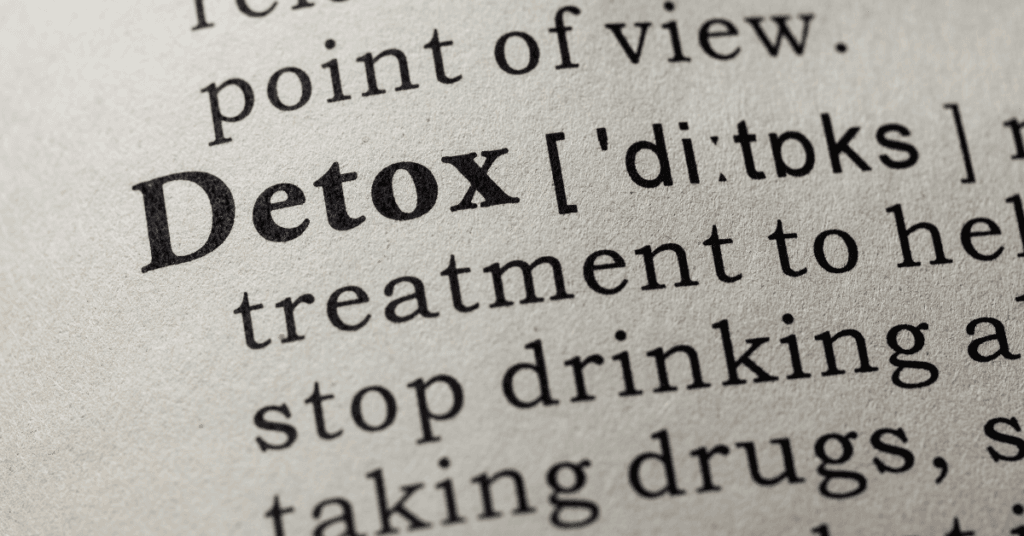
During medical detox, your body clears drugs or alcohol while a medical team monitors you, manages withdrawal symptoms, and uses medications when needed to keep you safe and more comfortable.
How Long Does the Medical Detox Process Take?
The length of detox depends on the substances you used, how long and how heavily you used them, your overall health, and whether you were using more than one substance. For many people, detox lasts from several days up to about two weeks.
Is medical detox painful?
Some withdrawal symptoms can be uncomfortable, but the purpose of medical detox is to reduce pain and distress as much as possible through medications, supportive care, hydration, and rest.
Can I detox from drugs or alcohol at home?
Detoxing at home is not recommended. Withdrawal from alcohol, benzodiazepines, and some other substances can cause seizures, heart problems, hallucinations, and other serious complications without medical supervision.
Do I need medical detox before rehab?
Many people do need detox before starting residential or inpatient treatment. Detox helps clear substances from your body and stabilizes you so you can fully participate in therapy and other parts of treatment.
What medications are used during detox?
Depending on the substance and your medical history, providers may use medication-assisted treatments such as buprenorphine, methadone, or naltrexone for opioid use, as well as other medications to ease anxiety, nausea, insomnia, and other symptoms.
Is medical detox safe?
Medical detox is designed to be as safe as possible. You are monitored 24/7, and doctors and nurses are available to respond quickly to any changes or complications that arise.
What happens after the medical detox process is finished?
After detox, most people move into a treatment program where they attend therapy, learn new coping skills, and receive ongoing support for both substance use and mental health.
Will my mental health be addressed during detox?
Yes. If you have anxiety, depression, trauma, or another mental health concern, the team will assess these issues and include them in your overall plan so your mental health and substance use are treated together.
How do I start medical detox?
You can contact an accredited treatment center’s admissions team. They will ask a few screening questions, talk with you about your needs, review your insurance if you have it, and help you plan a safe admission for detox and follow-up care.